

Specifying paper and paperboard correctly is foundational to packaging performance, print quality, freight cost, and retailer compliance. Yet paper weight terminology varies widely between metric and US systems, and between weight-based and thickness-based measures.
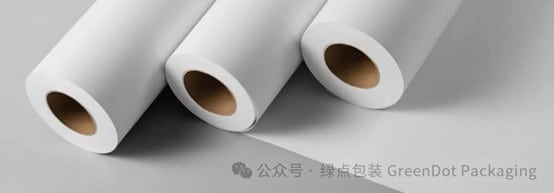
This guide explains how GSM, pounds (lbs), points (pt), and millimeters (mm) are used in US packaging and printing – and how to convert between them without costly misinterpretation.
Before converting units, it’s critical to distinguish weight from thickness. They are related, but not interchangeable.
Paper weight describes mass per unit area, not physical thickness.
Paper weight influences:
Two papers with the same GSM can have very different thickness depending on fiber type, coatings, and calendering.
Thickness measures the actual caliper of a single sheet.
Thickness primarily affects:
GSM (grams per square meter) measures the weight of one square meter of paper.
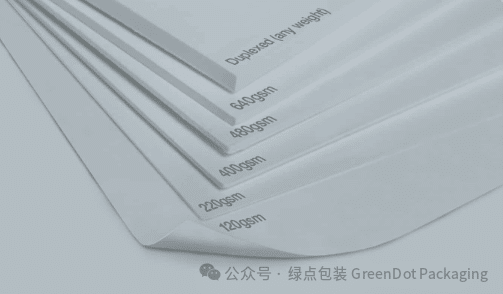
| GSM Range | Typical Applications |
|---|---|
| 35–55 gsm | Newsprint |
| 90–100 gsm | Office / copy paper |
| 120–140 gsm | Flyers, posters |
| 210–300 gsm | Brochures, folding cartons, magazine covers |
| 350–400 gsm | Cardstock, greeting cards, rigid packaging components |
Important: Higher GSM does not automatically mean “better.” Packaging design must balance strength, machinability, cost, and logistics.
In the US, paper weight is often specified in pounds (lbs).
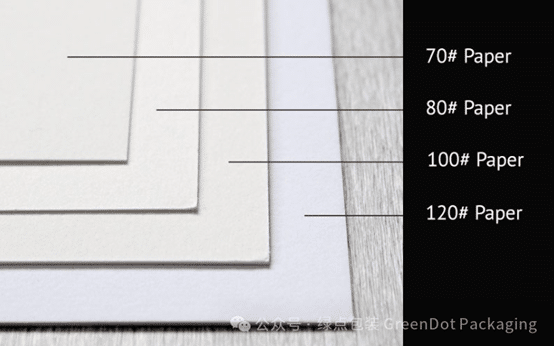
LBS refers to the weight of one ream (500 sheets) cut to a defined basis size, which varies by paper category.
This is why GSM is often preferred for global sourcing and packaging engineering alignment.
Approximate industry references:
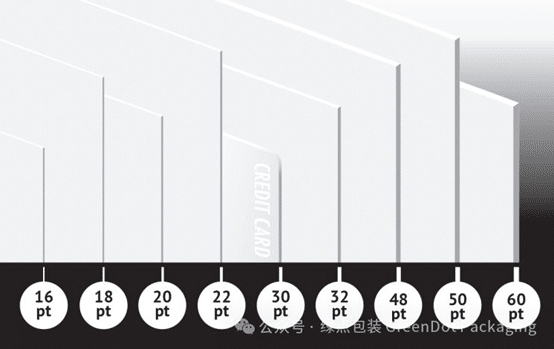
Conversion:
1 pt = 0.0254 mm
Example: 14 pt ≈ 0.356 mm
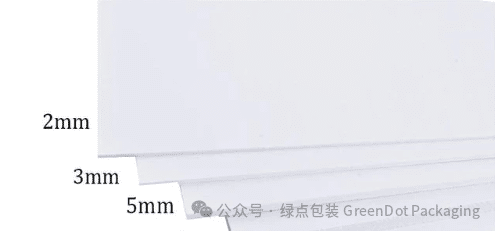
Because pounds depend on basis size, paper weight conversion requires knowing the paper category.
| Paper Category | Basis Size | Approx. Conversion |
|---|---|---|
| Text / Book | 25″ × 38″ | GSM ≈ lbs × 1.48 |
| Cover Stock | 20″ × 26″ | GSM ≈ lbs × 2.71 |
| Bond / Writing | 17″ × 22″ | GSM ≈ lbs × 3.73 |
| Newsprint | 24″ × 36″ | GSM ≈ lbs × 1.63 |
| Index | 25.5″ × 30.5″ | GSM ≈ lbs × 1.83 |
| Bristol | 22.5″ × 28.5″ | GSM ≈ lbs × 2.20 |
These are engineering approximations. Always confirm with supplier data sheets for production specs.
There is no exact conversion between thickness and weight.
Why?
However, rough industry references are often used for early design:
| Cover Thickness | Approx. GSM |
|---|---|
| 8 pt | ~200 gsm |
| 12 pt | ~250 gsm |
| 14 pt | ~300 gsm |
| 16 pt | ~350 gsm |
| 18 pt | ~400 gsm |
These should be treated as design estimates, not purchase specifications.
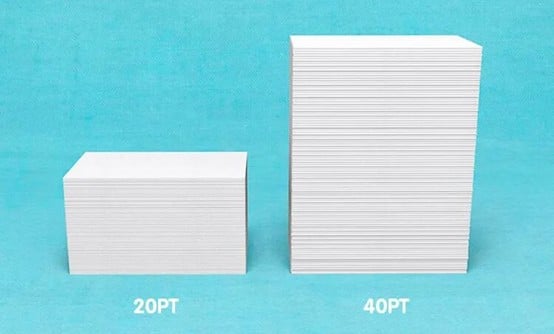
Even at the same GSM, different papers have different calipers.
Always rely on:
Paper weight and thickness confusion is one of the most common sources of print failures, cost overruns, and packaging performance issues. Understanding how GSM, lbs, pt, and mm relate, and where they don’t convert cleanly, helps teams avoid mis-specification before it reaches production, testing, or retail review.
Because paper density, coatings, and manufacturing methods vary widely, conversion charts should guide design – not replace supplier validation and engineering review. For packaging applications, weight and thickness must always be evaluated in the context of structural performance, print process, logistics, and retailer requirements.
Contact GreenDot today to review paperboard specifications, help with paper weight conversion, validate material choices, or align your packaging designs with real-world manufacturing and retail expectations — before issues surface downstream.